


<p>Earn%20[points_amount]%20when%20completing%20this%20purchase.</p>

- Choosing a selection results in a full page refresh.

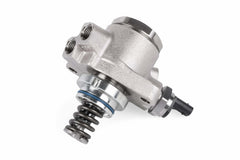
High pressure fuel pump upgrade for the 2.5 TFSI. The high pressure fuel pump addresses fueling needs and leaves plenty of headroom for safety and further increased power levels in the future. By releasing the pump's internal capacity, the fueling system is capable of displacing a higher volume of fuel per minute at every RPM. The engine's fueling system operates to a maximum of 2100 psi (145 bar) of pressure to correctly spray and atomize fuel directly into the engine's cylinders. This is contrast to multi port injection vehicles of the past which typically operated around 40-60 PSI and were driven off of a low pressure fuel pump. To generate these enormous pressures, the 2.5 TFSI's variable low pressure fuel pump supplies fuel to a cam driven and solenoid fired high pressure fuel pump which in turn supplies the injectors with fuel. A three-lobe cam located on the exhaust camshaft drives the 2.5 TFSI's high pressure fuel pump. As engine speed increases, so does the pump's ability to displace a greater volume of fuel per minute. The maximum volume the pump can deliver per revolution on the three-lobe cam is dictated by the stroke length from the cam lobe's lift and bore diameter of the pump's internal pressurizing cylinder. It's important to understand, despite the name, the high pressure fuel pump upgrade is not necessarily designed to increase the engine's fuel rail pressure. The primary goal is to increase the volume of available fuel.
Thanks for subscribing!
This email has been registered!